Top 5 Best Destinations to Study in Asia for Career Growth
20/04/2026 Phong Nguyen
In the context of strong shifts in global education, the trend to Study in Asia is becoming the preferred choice for many Vietnamese families during the 2026–2027 period. With remarkable developments in technology, economy, and educational quality, countries in this region not only provide a world-class academic environment but also offer wide-ranging career opportunities. This article will provide an overview and detailed analysis of the regional education map so that parents can make the best preparations for their children.
Entering 2027, the international education market has recorded a clear shift from Western countries to the East. Choosing to Study in Asia attracts students due to cultural similarities, close geographical distance, and reasonable investment costs. Top universities in this region are continuously climbing prestigious world rankings, proving that teaching quality is constantly improving.
A prominent trend for those who Study in Asia in 2027 is the focus on high-tech sectors such as semiconductors, artificial intelligence, and green energy. Countries are actively attracting international students through post-graduation support policies. This helps students who Study in Asia easily access multinational corporations right within the local market.
In addition, safety and political stability are key factors that give parents peace of mind when choosing to Study in Asia. In a context where many countries are tightening immigration policies, countries in this region are offering many flexible talent attraction programs. Understanding the Study in Asia roadmap early will help students optimize their chances of receiving scholarships and reduce competitive pressure.
The student support system at SIEC always updates the latest changes in visa regulations and admission conditions. We recognize that to Study in Asia is no longer a backup plan but has become the primary goal for students with practical career orientations. Investing to Study in Asia is a strategic step for a sustainable future.
2. Analysis of 5 Key Countries to Study in Asia After the Visa Tightening Phase
After the period when countries tightened visa regulations at the end of 2025, the map for those planning to Study in Asia in 2026 has seen important adjustments. Below is a detailed analysis of 5 typical countries that parents should consider when researching how to Study in Asia for the 2027 intake.
2.1. Japan and High-Tech Human Resource Orientation
Japan continues to maintain its position as a top destination to Study in Asia thanks to its solid foundation in science and technology. In 2026, the Japanese Government implemented many new types of visas to retain international students working in fields facing labor shortages. When choosing to Study in Asia in Japan, students are trained in a highly disciplined and practical environment.
2.2. South Korea and the Appeal of Creative Industries
South Korea is not only famous for its culture but is also a leading center for information technology and communications training. Programs to Study in Asia in South Korea in 2027 focus heavily on combining academics with internships at corporations like Samsung or LG. This is a great opportunity for those who want to develop a career in the creative industry while they Study in Asia.
2.3. Singapore and International Education Standards
Singapore remains the country with the best education system when mentioning the decision to Study in Asia. With English as the main language of instruction, students who Study in Asia here can easily transfer to higher levels of study in the US or UK. Although entrance requirements are strict, the value of a degree when you Study in Asia in Singapore is recognized worldwide.
2.4. Taiwan and Opportunities in the Semiconductor Industry
Taiwan is emerging as a phenomenon on the Study in Asia map for the 2026–2027 period. With absolute strength in the microchip and semiconductor industries, this country provides many full scholarships for international students. Choosing to Study in Asia in Taiwan helps students save costs while still receiving educational quality equivalent to developed countries.
2.5. China and Government Scholarship Programs
China is investing heavily in key universities to attract students to Study in Asia. English-taught programs are becoming increasingly diverse, ensuring that language barriers are no longer a major issue. Many parents prioritize having their children Study in Asia in China because of generous scholarship schemes that cover both tuition and monthly living expenses.
3. Study in Asia Roadmap Towards Settlement and Long-term Careers
One of the biggest concerns for parents when researching how to Study in Asia is the possibility of staying to work and settle. In 2027, countries like Japan and South Korea have relaxed residency regulations for students graduating in engineering and nursing fields. A smart Study in Asia roadmap needs to start with choosing the right profession that is in high demand in the host country.
In Singapore, the settlement path after you Study in Asia often comes with commitments to work for government-designated organizations. This ensures students have jobs immediately after graduation with a stable income. Preparing your application to Study in Asia at SIEC will help students build a seamless learning path from undergraduate level to employment.
For Taiwan, students who Study in Asia can take advantage of a points-based policy to convert to a permanent residence card. Factors such as foreign language proficiency, salary levels, and professional degrees will determine the success of settlement. Therefore, investing in academic results while you Study in Asia is extremely important to achieve long-term goals.
4. Scholarships and New Financial Requirements to Study in Asia in 2026
After policy changes at the end of 2025, financial proof requirements to Study in Asia have seen new standards. Parents need to prepare transparent financial sources available in bank accounts according to the regulations of each embassy. However, scholarship programs to Study in Asia in 2026 are also more diverse to support students with outstanding achievements.
Country
Popular Scholarship Types
Estimated Financial Requirement
Japan
MEXT, Newspaper Scholarship, JASSO
500 – 700 million VND
South Korea
GKS, University Scholarships (30-100%)
400 – 600 million VND
Singapore
ASEAN Scholarship, Government Grants
800 million – 1.2 billion VND
Taiwan
Government Scholarship, University Scholarship
200 – 400 million VND
China
CSC, CIS, Provincial Scholarships
200 – 300 million VND
Scholarship levels to Study in Asia often range from 30% to 100% of tuition fees, and some even cover dormitory costs. To hunt for high-value scholarships to Study in Asia, students need to have language certificates such as IELTS, TOPIK, or JLPT early on. The expert team at SIEC will assist in evaluating profiles to find the most suitable scholarship package for each student’s ability when they Study in Asia.
5. Comparison of Living Costs and Tuition to Study in Asia in 2026
Balancing the budget is a vital factor when planning to Study in Asia. Compared to Western countries, costs here are significantly lower while the quality of life is still guaranteed at a high level. Below is a comparison table of average annual costs for students who Study in Asia in 2026.
Country
Tuition (VND/year)
Living Expenses (VND/month)
Japan
120 – 180 million
15 – 25 million
South Korea
100 – 200 million
12 – 20 million
Singapore
400 – 700 million
25 – 40 million
Taiwan
60 – 100 million
8 – 12 million
China
50 – 120 million
7 – 15 million
Note that the cost to Study in Asia can vary depending on the city of study and individual spending habits. In major cities like Tokyo or Seoul, rent often accounts for a large part of the budget to Study in Asia. However, students can work part-time according to regulations to cover part of their living expenses while they Study in Asia.
6. How to Choose a Country to Study in Asia Based on Budget and Career Goals
To choose a suitable Study in Asia destination, parents and students need to clearly define their ultimate goals. If the goal is to work in global technology corporations, Japan and South Korea are Study in Asia options that cannot be ignored. These countries have strong foundations in heavy industry and electronics, providing an excellent internship environment for students who Study in Asia.
For families with a moderate budget but wanting their children to have international degrees, choosing to Study in Asia in Taiwan or China is the optimal path. Low costs but high scholarship opportunities help reduce the financial burden on parents. In particular, becoming proficient in an additional foreign language like Chinese while you Study in Asia will be a huge competitive advantage in the future.
Conversely, if the orientation is to become a global citizen and work in finance or management, Singapore is the most ideal Study in Asia destination. An environment that uses English entirely helps students confidently communicate and work in any country after they Study in Asia. SIEC is proud to be the partner that helps realize the dream to Study in Asia for thousands of students every year.
Finally, the choice to Study in Asia should be based on in-depth advice and updated figures. Each country has its own advantages, and careful preparation from 2026 will create a solid foundation for a successful 2027 intake. Let the decision to Study in Asia open a promising new chapter for your educational path.
The journey to conquer knowledge in Eastern educational powerhouses awaits you with unprecedented opportunities. Let SIEC accompany parents and students in building a personalized learning roadmap, optimizing costs, and ensuring the highest visa approval rate.
Contact our experienced team of experts now for detailed advice on the latest scholarship programs and admission procedures for the 2026–2027 study period. Register for consultation at SIEC so you don’t miss out on valuable scholarships and a sustainable settlement roadmap at https://siec.com.vn/dang-ky
Are You Ready to Break Through Your Global Career with SIEC?
Don’t let your prestigious degree just sit on paper. Let SIEC experts advise you on a study abroad roadmap combined with a job orientation strategy starting today!
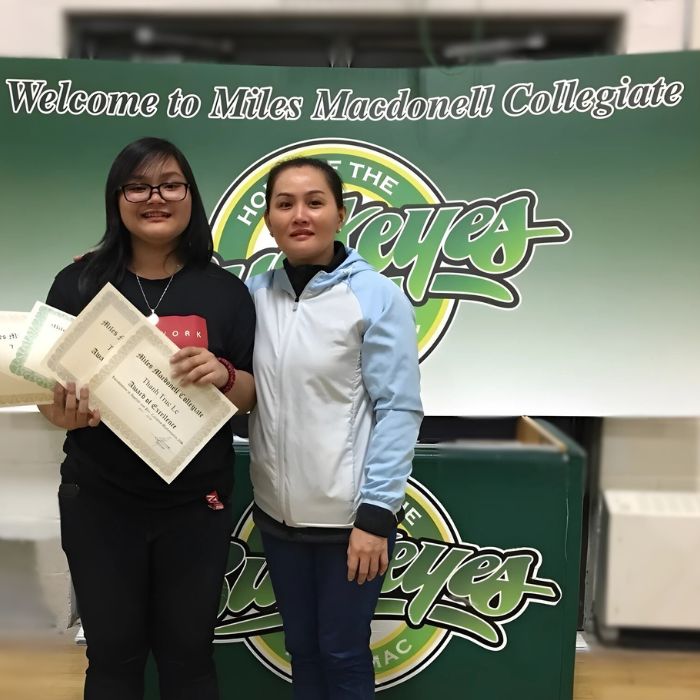
Lê Thanh Trúc, Student at Miles Macdonell Collegiate
“My family and I are deeply grateful to SIEC for not only securing my **Canada high school student visa** in Grade 10 but also for assisting my parents and siblings in obtaining their **visitor visas**. That was an invaluable gift.” — Lê Thanh Trúc, Student at **Miles Macdonell Collegiate** Secure Your Early High School (Secondary) […]
Phan Thị Ngọc Huỳnh, Former Student in Winnipeg
“The solid foundation provided by SIEC and Ms. Huong not only helped me realize my study abroad dream but also gave me the confidence to graduate, secure a stable job, and **settle permanently in Canada**.” — Phan Thị Ngọc Huỳnh, Former Student, currently working in **Winnipeg, Canada** Explore Your Study & Immigration Pathway in Canada […]
Hoàng Giang, Student at Edmonds College
“With her dedication and passion, Ms. Huong helped launch my **American dream**, opening up a vast world of opportunity and the chance to meet new friends.” — Hoàng Giang, Student at **Edmonds College** Explore More About Studying in the USA Spotlight on Edmonds College (Washington State) Gain in-depth knowledge about the programs, tuition fees, and […]
Khánh Lê, Student at LaSalle College
“Thank you to Ms. Huong and the SIEC team for their dedicated partnership and support, from my application phase until I was settled in Canada, helping me confidently pursue my dreams.” — Khánh Lê, Student at **LaSalle College** Explore Further Canada Study Opportunities Spotlight on LaSalle College Gain deeper insights into the programs, tuition fees, […]
Quỳnh Giao, Student at Red River Colleg
“She didn’t just stop at completing the application; she was an inspiration, a true motivator…” — Quỳnh Giao, Student at **Red River College** Continue Your Canada Study Abroad Journey Spotlight on Red River College Polytechnic (RRC Polytech) Discover the high-demand, **applied learning programs** at **Red River College** – one of the premier post-secondary institutions in […]