Latest Canada immigration policy: Key Updates and Changes
05/08/2026 Phong Nguyen
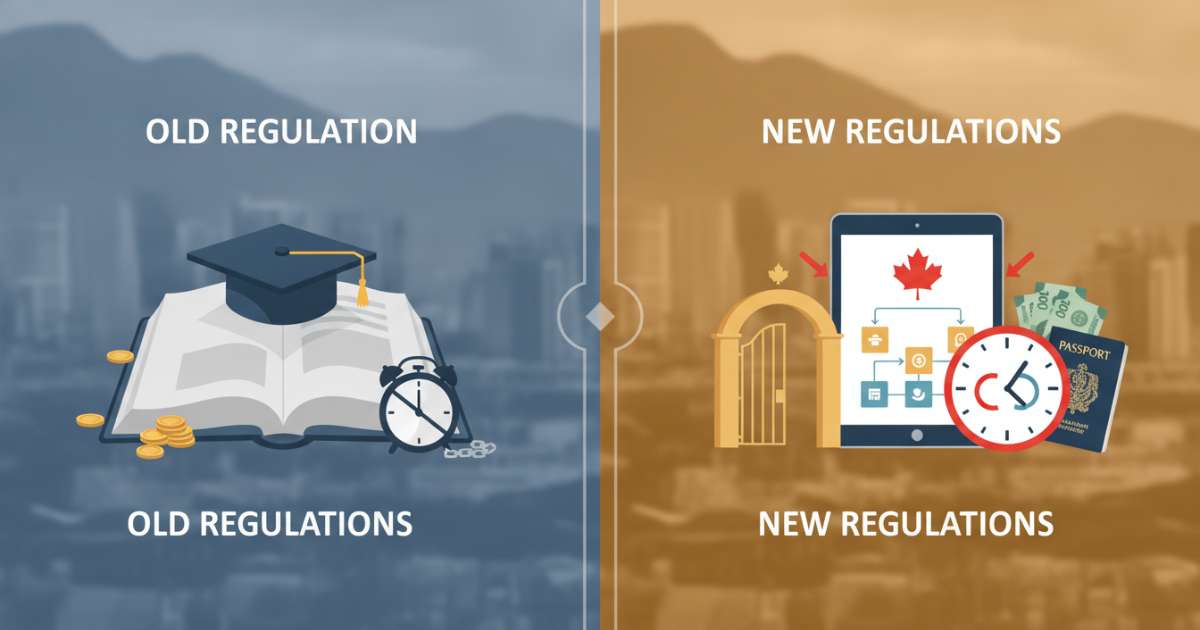
The Canadian government is making strategic adjustments to its immigration system to ensure the sustainable development of the economy and society. In the 2026 – 2027 period, the Latest Canada immigration policy focuses heavily on attracting highly skilled human resources in sectors facing severe labor shortages. Instead of opening doors to all applicants as in the previous phase, the new regulations set stricter standards for language proficiency, work experience, and fields of study. Understanding the Latest Canada immigration policy will help candidates build a suitable roadmap to soon achieve their goal of becoming permanent residents in the Maple Leaf country.
Overview of the Latest Canada immigration policy for 2026 – 2027
Entering the 2026 and 2027 period, Immigration, Refugees and Citizenship Canada (IRCC) has announced significant changes in managing the number of immigrants. The main objective of the Latest Canada immigration policy is to reduce pressure on the housing system and public services while prioritizing those capable of contributing immediately to the labor market. Unlike previous years, the number of work and study permits will be more strictly controlled through specific quotas for each province.
One of the notable points of the Canada immigration policy 2025 and subsequent years is the shift from mass immigration to selective immigration based on occupation. The current Express Entry system does not only rely on general CRS scores but also focuses on category-based selection rounds. This means that candidates with work experience in priority sectors will have a higher chance of receiving an invitation for permanent residency, even if their scores are lower than the average of other industry groups. The Latest Canada immigration policy is creating an effective filter to ensure that the immigrant workforce matches the actual needs of businesses in Canada.
Additionally, the government is increasing French language proficiency requirements alongside English to maintain cultural identity and support Francophone communities outside Quebec. This is an important part of the Latest Canada immigration policy that workers and international students need to note when preparing their applications. Possessing a standard language certificate is not only a mandatory condition but also a huge competitive advantage in the immigration ranking points system.
Application Conditions and New Financial Requirements under Canada Immigration Policy 2025
To adapt to the rising cost of living, IRCC has updated the financial capacity requirements for candidates wishing to come to Canada. According to the Canada immigration policy 2025, the amount of financial proof for international students has increased significantly to ensure they can afford rent, food, and insurance without being overly dependent on part-time work. This is a crucial change that helps protect the rights of immigrants and avoid financial risks when first arriving in a new land.
Regarding application conditions, the Latest Canada immigration policy requires higher transparency and authenticity for all types of documents. Candidates need to carefully prepare degrees, professional certificates, and work experience confirmations. In particular, for skilled immigration programs, Educational Credential Assessment (ECA) must be performed by designated reputable organizations. Current Canada immigration policies also emphasize age, education level, and the adaptability of the applicant’s entire family if they are accompanying them.
For international students, applying for a Provincial Attestation Letter (PAL) has become a mandatory step in the Study Permit application process. This regulation is part of the Canada immigration policy 2025 framework to control the number of international students in each locality. Applicants must demonstrate a clear study purpose and a plan to return or transition to permanent residency in accordance with the law. Preparing a solid financial profile and complete legal documents is the key to passing the strict screening rounds of the consulate.
Changes to Study Permits and Part-time Work Regulations under Canada Immigration Policy
One of the changes with the greatest impact on the international student community is the regulation on off-campus work hours. According to the Latest Canada immigration policy, international students will be allowed to work a maximum of 24 hours per week during regular academic sessions, instead of the previous 20 hours or the unlimited work allowed during the pandemic phase. This change aims to help students earn extra income to cover living expenses while still ensuring that studying remains the top priority. Compliance with work hours is a prerequisite for maintaining the legal status of the Study Permit and avoiding negative impacts on future immigration applications.
Regulations regarding the Post-Graduation Work Permit (PGWP) also have significant adjustments in the Canada immigration policy 2025. To be eligible for a PGWP, graduates from college programs at public schools need to demonstrate a minimum language proficiency of CLB 5, while university graduates must reach CLB 7. This is evidence that Canada’s immigration policy is moving towards ensuring that workers have sufficient ability to communicate and work effectively in a professional environment in Canada.
Furthermore, not all fields of study will make students eligible for a PGWP as before. The Latest Canada immigration policy stipulates that only graduates from occupations with labor shortages will be prioritized for long-term work permits. This requires students and parents to have careful calculations right from the stage of choosing a major and a school to ensure a seamless immigration pathway. Keeping up with changes in Study Permits will help young people be more proactive in building their future in Canada.
24-Hour Weekly Work Regulation and Academic Time Management
Increasing the part-time work hours to 24 hours per week is seen as a balanced move by the government. In Canada’s immigration policy, part-time work is not only about income but also an opportunity for students to gain exposure to a real work environment and practice soft skills. However, if students violate the work hour regulations or let their academic results decline, they may face the risk of having their study permits revoked. This shows that the Latest Canada immigration policy values discipline and the serious academic purpose of foreign nationals.
New Language Requirements for Post-Graduation Work Permits
The requirement for English or French standards (CLB) for the PGWP is a barrier but also a motivation for students to improve their own capacity. According to the Canada immigration policy 2025, tightening language requirements helps filter out candidates with long-term immigration potential who can easily integrate into society. Those who prepare well for language skills while still in their home country will have a huge advantage when performing procedures under Canada’s immigration policy in the coming years.
Priority Occupations in the Latest Canada Immigration Policy
Currently, Canada is focusing resources on addressing personnel shortages in several key sectors. The Latest Canada immigration policy has clearly identified priority industry groups including Healthcare, STEM (Science, Technology, Engineering, Mathematics), and Construction. Candidates studying or having work experience in these groups will receive maximum support from the government through Provincial Nominee Programs and specialized Express Entry draws.
Healthcare and Medical Services Group
With an aging population, the demand for nurses, doctors, psychologists, and personal support workers in Canada is at record highs. Canada’s immigration policy offers many incentives for healthcare personnel, such as shortening application processing times and lowering CRS score requirements in invitation rounds. This is the most sustainable field that workers can choose to ensure a stable job and a certain immigration opportunity according to the Latest Canada immigration policy.
STEM and Technology Engineering Group
The boom in artificial intelligence, cybersecurity, and software development has made STEM experts top targets for recruitment. The Canada immigration policy 2025 continues to promote the attraction of software engineers, data analysts, and mechanical engineers. Provinces like Ontario or British Columbia always have their own priority programs for tech personnel, helping them easily obtain permanent resident cards after a short period of work. Choosing to study STEM fields not only brings high income but is also the shortest path to realizing immigration goals.
Construction and Transportation Group
To solve the housing crisis, Canada needs a large number of electricians, carpenters, welders, and construction managers. The Latest Canada immigration policy has added many skilled technical occupations to the priority immigration list. Those with practical experience in the construction sector will find that applying for immigration becomes easier than ever thanks to Federal Skilled Trades programs. This is a clear demonstration that Canada’s immigration policy is closely following the country’s infrastructure development needs.
Roadmap for Study and Work to Achieve Permanent Resident Status
To succeed in immigrating, candidates need a methodical roadmap and strict compliance with the regulations of the Latest Canada immigration policy. The first and most important step is choosing the right major in the priority list and a school on the list eligible for PGWP (DLI). After completing the study program, students need to quickly apply for a PGWP and seek employment in their field of expertise to accumulate Canadian work experience. Local work experience is a very large bonus factor in current immigration policies.
During the working process, candidates should continuously update themselves on changes in the Canada immigration policy 2025 to choose the most suitable application program. This could be the Canadian Experience Class (CEC), Provincial Nominee Program (PNP), or Rural and Northern Immigration Pilot programs. Possessing a Job Offer from a Canadian employer is also an important plus point that helps the immigration profile become more solid. The Latest Canada immigration policy encourages the long-term commitment of workers to the locality where they live and work.
Finally, preparing for language exams and maintaining a clean criminal record is mandatory. The Latest Canada immigration policy requires perseverance and thorough preparation from applicants. Those who prepare early in both professional knowledge and language skills will easily overcome policy changes and achieve their immigration goals by 2027. Understanding the policy is the key to opening the door to becoming a global citizen in one of the world’s most livable countries.
How to Choose a School and Province to Optimize Immigration Opportunities
Choosing a place to study plays a decisive role in the future immigration capability of international students. Each province in Canada has its own immigration policies to attract human resources suitable for the specific economic characteristics of that region. For example, Atlantic provinces like Nova Scotia or New Brunswick often have attractive immigration programs with lower score and work experience requirements compared to large provinces like Ontario or British Columbia. The Latest Canada immigration policy encourages international students to go to less populated areas to balance development between regions.
When choosing a school, students need to ensure that the institution is on the Designated Learning Institutions (DLI) list and the study program must be eligible for a PGWP. According to the Canada immigration policy 2025, studying at public colleges in provinces with high labor demand in Healthcare or Construction will bring wide job opportunities immediately after graduation. In addition, some provinces also have priority immigration policies for students graduating with a Master’s or PhD without requiring work experience, which is a highlight in the immigration policy for those with high academic degrees.
Learners should also research the labor market in each province before deciding. An occupation might be saturated in Toronto but extremely scarce in Saskatchewan. Utilizing Provincial Nominee Programs (PNP) is the smartest way to deal with fierce competition in the federal Express Entry system. Mastering the Latest Canada immigration policy in each territory will help you make the right decision, saving time and costs on the path to conquering the permanent resident card.
Assess Your Canada Immigration 2027 Eligibility Now
With the rapid changes in the Latest Canada immigration policy, evaluating your own profile can lead to unnecessary mistakes. To ensure your roadmap aligns with the regulations of the Canada immigration policy 2025 and anticipates immigration trends for 2027, seeking advice from experienced experts is essential. A detailed plan from choosing a major and school to submitting the PR application will help you be more confident and minimize the risk of refusal.
Don’t let precious opportunities pass by due to a lack of information or untimely preparation. Start your journey by assessing your capacity and building a personalized immigration strategy today. Canada’s immigration policy always prioritizes those with careful preparation and high determination. Contact reputable consulting units to get the latest information on the labor market and the most potential immigration programs for Vietnamese people.
Your journey to conquer the Canadian dream will be smoother than ever with the companionship of a team of experts with deep understanding of the Latest Canada immigration policy. We are committed to providing accurate, transparent information and the most optimal solutions for each specific case. Let us help you connect with a sustainable future in Canada through the most effective study and work roadmaps according to current immigration policies.
To receive in-depth support and updates on the latest changes to priority immigration programs, please register for a consultation today. We will help you analyze your profile, assess your chances of success, and provide advice on choosing a career path that fits the 2026 – 2027 trends.
Contact SIEC now for detailed instructions on the study abroad and immigration application process, helping you realize your dream of settling in Canada in the safest and most effective way at https://siec.com.vn/dang-ky
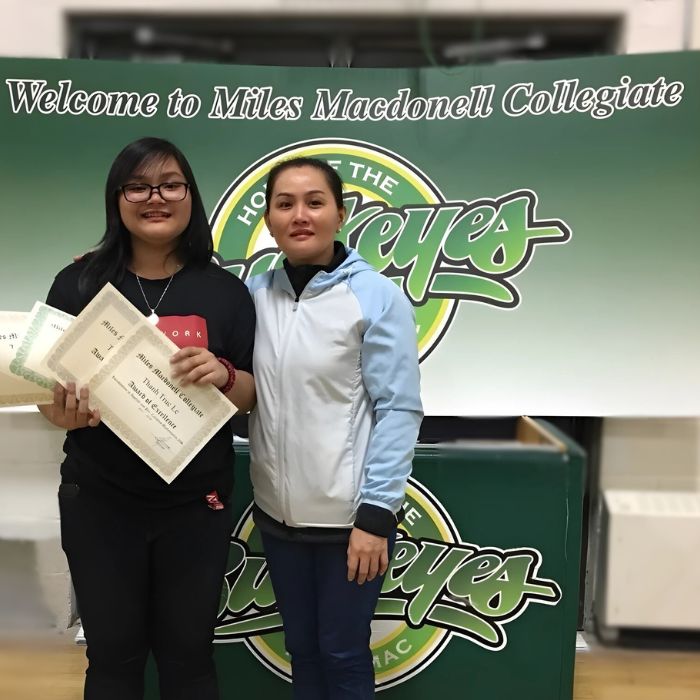
Lê Thanh Trúc, Student at Miles Macdonell Collegiate
“My family and I are deeply grateful to SIEC for not only securing my **Canada high school student visa** in Grade 10 but also for assisting my parents and siblings in obtaining their **visitor visas**. That was an invaluable gift.” — Lê Thanh Trúc, Student at **Miles Macdonell Collegiate** Secure Your Early High School (Secondary) […]
Phan Thị Ngọc Huỳnh, Former Student in Winnipeg
“The solid foundation provided by SIEC and Ms. Huong not only helped me realize my study abroad dream but also gave me the confidence to graduate, secure a stable job, and **settle permanently in Canada**.” — Phan Thị Ngọc Huỳnh, Former Student, currently working in **Winnipeg, Canada** Explore Your Study & Immigration Pathway in Canada […]
Hoàng Giang, Student at Edmonds College
“With her dedication and passion, Ms. Huong helped launch my **American dream**, opening up a vast world of opportunity and the chance to meet new friends.” — Hoàng Giang, Student at **Edmonds College** Explore More About Studying in the USA Spotlight on Edmonds College (Washington State) Gain in-depth knowledge about the programs, tuition fees, and […]
Khánh Lê, Student at LaSalle College
“Thank you to Ms. Huong and the SIEC team for their dedicated partnership and support, from my application phase until I was settled in Canada, helping me confidently pursue my dreams.” — Khánh Lê, Student at **LaSalle College** Explore Further Canada Study Opportunities Spotlight on LaSalle College Gain deeper insights into the programs, tuition fees, […]
Quỳnh Giao, Student at Red River Colleg
“She didn’t just stop at completing the application; she was an inspiration, a true motivator…” — Quỳnh Giao, Student at **Red River College** Continue Your Canada Study Abroad Journey Spotlight on Red River College Polytechnic (RRC Polytech) Discover the high-demand, **applied learning programs** at **Red River College** – one of the premier post-secondary institutions in […]