Secrets to Success in the Canada Agri-Food Pilot Program
28/07/2026 Phong Nguyen
In the context of Canada’s immigration policy adjustments for the 2026-2027 period, thoroughly researching the roadmap for the **Canada Agri-Food Pilot** is essential. The Canadian government is moving away from encouraging mass immigration and is instead focusing on priority occupational groups facing severe labor shortages. Rather than choosing saturated fields, international students and workers should consider sectors such as Healthcare, STEM, Construction, and especially high-tech agriculture. This article provides a detailed look at the requirements, documentation, and roadmap to successfully achieve Canadian permanent residency through the Canada Agri-Food Pilot in the coming years.
1. Changes in Direction for Canada Agricultural Immigration 2026-2027
Entering the 2026-2027 period, Immigration, Refugees and Citizenship Canada (IRCC) has issued clear announcements regarding the reduction of temporary resident numbers and the tightening of permanent residency (PR) regulations. However, the **Canada Agri-Food Pilot** maintains its vital status due to the strategic role of this sector in national food security. The most significant difference in this phase is the priority given to highly skilled candidates who understand technology or have practical work experience in modern farms and processing facilities.
Instead of applying under unsustainable general labor categories, candidates are encouraged to follow a study-to-work permit pathway. Holding a Canadian professional qualification in agriculture or related fields will make your CRS score much more competitive. Provinces such as Saskatchewan, Manitoba, and Alberta continue to offer Provincial Nominee Programs specifically aligned with agricultural immigration to attract high-quality human resources.
1.1. Priority for Specialized Occupational Groups
In the list of priority occupations for immigration, alongside Healthcare and Construction, agriculture serves as a production pillar. Canada is facing a shortage of thousands of workers in fields such as farm management, agricultural technicians, and crop data analysts. Therefore, when you choose to pursue the **Canada Agri-Food Pilot**, you are aligning with the government’s priority flow, helping to shorten processing times and increase success rates.
1.2. Impact of Mass Immigration Quota Reductions
The reduction in mass immigration quotas means that candidates must prepare their profiles more thoroughly. Current agricultural immigration programs require a long-term commitment to the region and the profession. Candidates need to prove their work capacity through internships or practical work experience in Canada to transition to PR as smoothly as possible.
2. Latest Documentation and Financial Requirements for 2027
To prepare for the **Canada Agri-Food Pilot** roadmap, mastering the documentation and financial requirements is the first step. Since 2024, Canada has increased the financial requirements for international students and workers to ensure they can afford living costs amidst inflation. For those wishing to immigrate through the agricultural stream via the study pathway, proving financial capacity now requires a significantly higher account balance than in previous years.
Specifically, a single applicant needs to prove they have at least approximately $20,635 CAD for one year of living expenses, excluding tuition fees. This is a crucial figure that you need to prepare early to ensure your Study Permit application is approved quickly. Additionally, applications for agricultural immigration also need to include language certificates such as IELTS or CELPIP, with a minimum score typically ranging from 5.0 to 6.0 depending on the specific program requirements.
2.1. Study Permit Applications and Related Documents
When applying for a Study Permit to follow the agricultural immigration route, you need a Letter of Acceptance from a Designated Learning Institution (DLI). Furthermore, your Study Plan must clearly explain why you chose the agricultural sector and your career goals after graduation. Logic in your educational roadmap will be the deciding factor for the consular officer to grant your visa.
2.2. Requirements for Proving Work Experience
For those wishing to immigrate directly through the **Canada Agri-Food Pilot**, work experience is mandatory. You must have at least one year of non-seasonal work experience within the last three years in designated industries such as meat product manufacturing, greenhouse production, or aquaculture. Providing clear employment contracts and pay stubs is a prerequisite for your agricultural immigration application to be accepted.
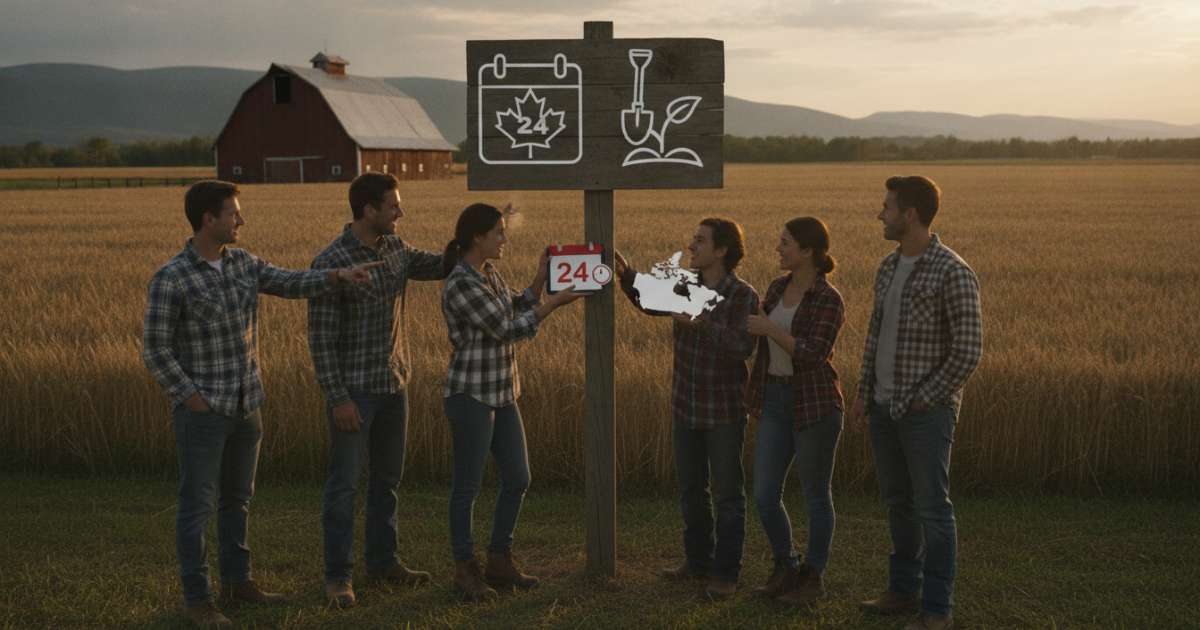
3. New 24-Hour Weekly Work Limit for Students
A notable change affecting those pursuing the **Canada Agri-Food Pilot** through the study route is the regulation on off-campus work hours. Since late 2024, international students are only permitted to work a maximum of 24 hours per week during academic sessions. This regulation aims to help students focus more on their studies while still being able to cover part of their living expenses and accumulate practical experience.
Working part-time on farms or in food processing facilities not only provides extra income but also offers an opportunity to build a network within the industry. For the goal of agricultural immigration, this part-time experience can be highly beneficial when applying for a Post-Graduation Work Permit (PGWP). However, you must strictly adhere to the 24-hour rule to avoid affecting the legality of your Study Permit, a key factor for future immigration success.
3.1. Benefits of Working in the Agricultural Sector
When you work part-time in agriculture, you will better understand the operating processes and food safety standards in Canada. This is invaluable knowledge that helps you score points with future employers. This practical understanding is the key to transitioning from a student visa to permanent residency sustainably.
3.2. Managing Time Between Study and Work
Although the regulations allow for 24 hours of work, the top priority remains completing your study program with good results. High academic performance will make it easier to apply for scholarships or pursue higher education, thereby expanding your opportunities. Balancing work and study also trains you in time management, an essential quality for workers in Canada.
4. Choosing Majors and Schools to Optimize Agricultural Immigration Chances
Choosing the right major and school plays an 80% role in the success of your roadmap. You should not choose schools in large cities like Toronto or Vancouver if your main goal is fast immigration. Instead, focus on provinces with strong agricultural sectors like Saskatchewan, Manitoba, Alberta, or rural areas of Ontario and British Columbia.
Priority majors should include: Agricultural Science, Agribusiness Management, Agricultural Engineering, and Food Technology. These fields not only fall under the priority groups for the **Canada Agri-Food Pilot** but also offer stable income and high promotion opportunities. When choosing a school, prioritize colleges or universities with Co-op programs to gain direct access to businesses in the industry.
4.1. STEM in Agriculture
STEM (Science, Technology, Engineering, and Mathematics) is being heavily applied in agriculture. Studying fields like Biotechnology or Agricultural Data Analysis will make you a prime candidate for the **Canada Agri-Food Pilot**. Canada is in dire need of experts who can help increase crop yields and protect the environment through modern technology.
4.2. Healthcare and Construction Supporting Agriculture
It might sound unrelated, but fields like Veterinary Medicine (Healthcare) or Rural Infrastructure Construction also contribute significantly to the agricultural ecosystem. Possessing skills in these priority sectors will give you more options when applying for PR. The Canadian government often has separate invitation rounds for Healthcare and Construction, creating parallel paths alongside the pure agricultural stream.
5. Roadmap from Study to Employment and Successful Agricultural Immigration
To achieve the goal of the **Canada Agri-Food Pilot**, you need a clear roadmap and specific steps. First is the study phase in Canada for at least 2 years to receive a Post-Graduation Work Permit (PGWP) valid for up to 3 years. During this time, you need to quickly find a job in the agricultural sector to accumulate Canadian work experience.
After gaining at least one year of full-time work experience, you can begin applying for permanent residency through the Express Entry system or Provincial Nominee Programs (PNP). For those in the agricultural stream, provinces often have dedicated immigration categories with lower score requirements compared to other professions. The key is to maintain legal working status and contribute full taxes to the Canadian government.
This is the “golden period” to strengthen your profile. Try to work in regions with open immigration policies. Having a Job Offer from a Canadian employer in the agricultural industry will add significant points to your application. Do not hesitate to work in areas far from the center, as these are where the opportunities for agricultural immigration are highest.
5.2. Applying for Permanent Residency (PR)
Once eligible, the PR application must be handled with care. Ensure all documents regarding work experience, education, and language proficiency are still valid. A successful roadmap is a combination of thorough preparation and timely grasping of changes in Canada’s immigration policies.
6. Why Choose Priority Occupations Over General Immigration?
In the 2026-2027 period, choosing general immigration carries many risks due to extreme competition and tightened quotas. Conversely, the **Canada Agri-Food Pilot** and other priority sectors like Healthcare, STEM, and Construction offer higher assurance of receiving PR. The Canadian government has affirmed it will focus resources on retaining skilled workers that the economy truly needs.
When you follow the agricultural stream, you receive support not only from the government but also from industry associations and local businesses. Job opportunities are always open with competitive salaries, helping you quickly stabilize your life in the Great White North. Choosing the right priority occupation is the smartest strategy to realize your dream in the new context.
6.1. Professional and Life Stability
Priority occupations usually offer high stability and are less affected by short-term economic fluctuations. This path helps you build a solid career and make a practical contribution to Canadian society. This creates peace of mind for the whole family when starting a new life in a foreign land.
6.2. Leveraging Provincial Support Programs
Provinces in Canada have high autonomy in selecting immigrants. By choosing the agricultural stream, you can easily access support programs for housing, education, and healthcare dedicated to workers in the industry. This is an advantage that general immigrants rarely have.
Assess your Canada immigration potential for 2027 now so you don’t miss out on valuable opportunities. Preparing early and in the right direction will help you overcome the strict changes in migration policy. Do not hesitate to seek professional advice to build a personalized roadmap that fits your abilities and financial conditions.
Start your journey today by contacting reputable study and immigration consultants. We will help you evaluate your profile, choose the optimal major and school to achieve your goals quickly and safely. Your success in Canada is our pride.
Let SIEC accompany you on the path to conquering your Canadian dream. With a team of experienced experts, we are committed to providing accurate information and the most optimal immigration roadmap for each specific case. Contact us now for the most dedicated support for your plan.
Realize Your Global Career Dream in Canada with the SIEC Expert Team
The **Canada Agri-Food Pilot** is a golden opportunity for those seeking a sustainable immigration path with government priority policies for food and agriculture personnel. To seize this opportunity most effectively, SIEC offers study-to-career counseling services, helping you build a structured plan to optimize your chances of residency and career advancement in an international environment.
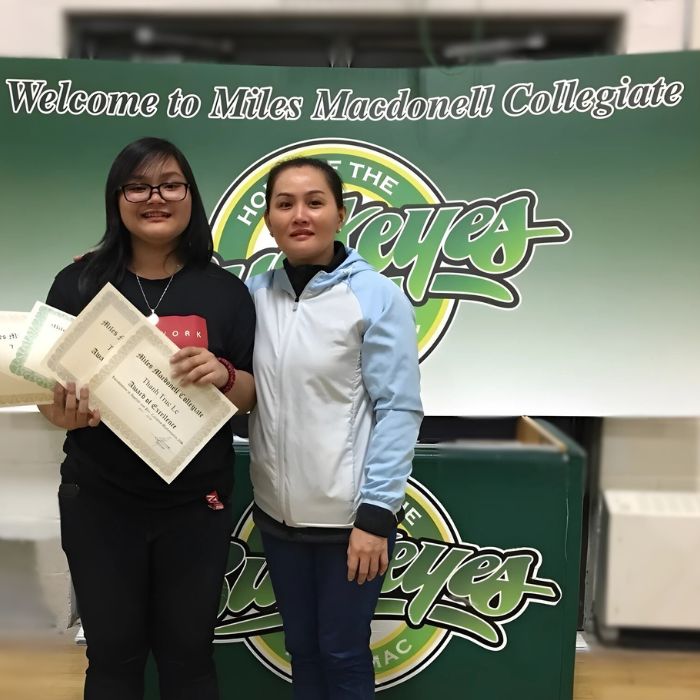
Lê Thanh Trúc, Student at Miles Macdonell Collegiate
“My family and I are deeply grateful to SIEC for not only securing my **Canada high school student visa** in Grade 10 but also for assisting my parents and siblings in obtaining their **visitor visas**. That was an invaluable gift.” — Lê Thanh Trúc, Student at **Miles Macdonell Collegiate** Secure Your Early High School (Secondary) […]
Phan Thị Ngọc Huỳnh, Former Student in Winnipeg
“The solid foundation provided by SIEC and Ms. Huong not only helped me realize my study abroad dream but also gave me the confidence to graduate, secure a stable job, and **settle permanently in Canada**.” — Phan Thị Ngọc Huỳnh, Former Student, currently working in **Winnipeg, Canada** Explore Your Study & Immigration Pathway in Canada […]
Hoàng Giang, Student at Edmonds College
“With her dedication and passion, Ms. Huong helped launch my **American dream**, opening up a vast world of opportunity and the chance to meet new friends.” — Hoàng Giang, Student at **Edmonds College** Explore More About Studying in the USA Spotlight on Edmonds College (Washington State) Gain in-depth knowledge about the programs, tuition fees, and […]
Khánh Lê, Student at LaSalle College
“Thank you to Ms. Huong and the SIEC team for their dedicated partnership and support, from my application phase until I was settled in Canada, helping me confidently pursue my dreams.” — Khánh Lê, Student at **LaSalle College** Explore Further Canada Study Opportunities Spotlight on LaSalle College Gain deeper insights into the programs, tuition fees, […]
Quỳnh Giao, Student at Red River Colleg
“She didn’t just stop at completing the application; she was an inspiration, a true motivator…” — Quỳnh Giao, Student at **Red River College** Continue Your Canada Study Abroad Journey Spotlight on Red River College Polytechnic (RRC Polytech) Discover the high-demand, **applied learning programs** at **Red River College** – one of the premier post-secondary institutions in […]